

Iraq’s women’s rights movement has faced a devastating blow with the assassination of Yanar Mohammed, a pioneering feminist, architect, and outspoken defender of gender equality. Mohammed was fatally shot outside her home in central Baghdad by gunmen on motorcycles.
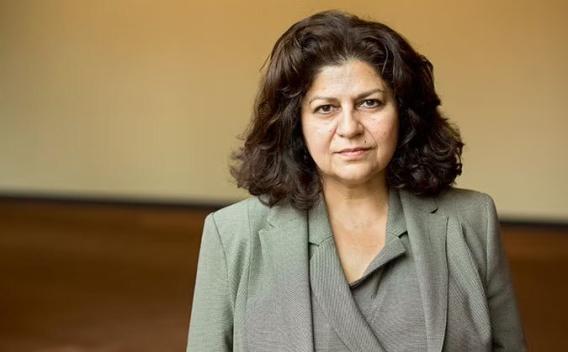
Photo: Outright International
Yanar Mohammed was a leading feminist figure in Iraq. She co-founded the Organisation of Women’s Freedom in Iraq (OWFI) in 2003, an initiative that transformed the fight for women’s safety and autonomy in a country long scarred by conflict and patriarchal power. Her network established Iraq’s first shelters for women fleeing forced marriages, trafficking, and “honour” killings, offering refuge to more than a thousand survivors across Baghdad, Basra, Karbala, and other cities over two decades.
Her assassination has sparked outrage nationwide and condemnation from international organisations. Human Rights Watch described her as “a fearless defender of Iraq’s women whose work saved lives and shaped generations,” urging the Iraqi government to “act decisively to investigate and prosecute those behind her murder.”
A Life Devoted to Liberation
Born in Baghdad in 1960, Yanar Mohammed grew up in a liberal family that valued education and inquiry. Her mother was a teacher and her father an engineer. As reported by bianet.org, a deeply personal incident in her adolescence—her grandfather’s marriage to a 14-year-old girl—left a lasting impression, propelling her toward lifelong advocacy for women’s autonomy.
She studied architecture at the University of Baghdad, earning degrees in 1984 and 1993, before moving to Canada with her family in 1995. There, she founded a small collective, Defense of Iraqi Women’s Rights, which later evolved into OWFI after her return to Iraq following the 2003 U.S.-led invasion.
Her secular feminist stance often drew ire from both conservative clerics and extremist militias. Yet she persisted, advocating what she called “a third path: neither occupation nor fundamentalism.”
Global Recognition, Local Threats
Mohammed’s courage brought her international acclaim. She received the Gruber Foundation Women’s Rights Prize in 2008, the Rafto Prize in 2016, and was named among the BBC’s 100 Women in 2018. In a 2016 interview with unwomen.org, she spoke of the perilous conditions faced by displaced Iraqi women many at risk of trafficking or honour killings and emphasised empowerment over charity.
Despite global praise, her safety in Iraq remained uncertain. She frequently changed residences due to death threats and avoided publicising the locations of her organisation’s shelters.
No group has yet claimed responsibility for Mohammed’s killing. Iraqi authorities have announced an investigation, but confidence is low given a history of impunity surrounding attacks on activists. Over the past ten years, dozens of Iraqi reformers, journalists, and rights advocates have been assassinated with few convictions.