

The 2026 FIFA Men’s World Cup has come to an end with Spain defeating Argentina in the final to lift the trophy. While fans celebrated across the world, the tournament also renewed attention to an important gender issue: the heightened risks of domestic abuse during major sporting events.
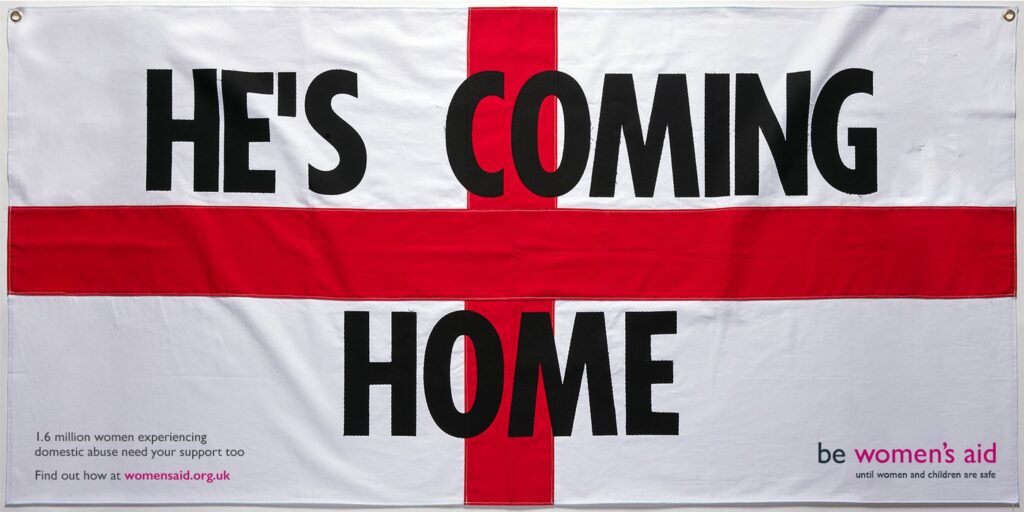
The 2026 FIFA Men’s World Cup ended with Spain’s victory over Argentina, bringing weeks of celebration, national excitement and intense public attention to a close. Yet for many women and children living with domestic abuse, major football tournaments are not simply occasions of celebration. They can also be periods of heightened fear and danger.
Women’s Aid drew attention to this reality through its powerful “He’s Coming Home” campaign, first launched during the 2022 Men’s World Cup. The campaign deliberately subverted the familiar football slogan “It’s Coming Home”. Rather than focusing on the return of a trophy, its short film centres on the fear experienced by a woman waiting for an abusive partner to return home after a match. Its message is that domestic abuse may become more frequent or severe during major football tournaments, regardless of the result on the pitch. The campaign does not suggest that football causes abuse. Instead, it exposes how heightened emotions, alcohol consumption and the social environment surrounding matches can intensify violence that already exists within the home.
A recent article published by The Athletic, part of The New York Times, develops this argument through police statistics, academic research and interviews with organisations including Women’s Aid, Hestia, White Ribbon UK and Respect. It highlights evidence that reports of domestic abuse increase around England’s matches whether the national team wins, loses or draws. One frequently cited study found that reported incidents rose by 38 per cent following an England defeat and by 26 per cent following a win or draw, compared with days on which England did not play.
The findings make clear that responsibility cannot be placed on footballers or the outcome of a match. Football does not turn someone into an abuser. Rather, major tournaments can aggravate existing patterns of coercion and violence, with increased drinking, emotional intensity, late-night matches and extended opening hours potentially increasing the frequency or severity of abuse. For women already living with abusive partners, the final whistle may therefore signal not the end of the event, but the beginning of a period of greater danger.
Women’s organisations argue that sporting events must consequently be accompanied by stronger awareness campaigns, accessible specialist services and proactive responses from the police and other public institutions. Survivors need safe and visible ways to seek support, while friends, relatives and members of the wider community should be encouraged to recognise warning signs and offer help without judgement.
The discussion must also extend beyond emergency intervention. White Ribbon UK’s work emphasises the responsibility of men and boys to challenge the sexist attitudes, jokes and everyday behaviours that help normalise violence against women and girls. Challenging apparently minor forms of misogyny is important because abusive behaviour rarely begins with its most extreme expression. It can develop within social environments in which controlling conduct, degrading language and gendered violence are ignored or excused.
The World Cup may have ended with Spain lifting the trophy, but the gendered risks exposed during the tournament have not disappeared. Domestic abuse is not a temporary consequence of football and does not end when supporters leave the stadium or the television is turned off. The lasting lesson of campaigns such as “He’s Coming Home” is that the visibility and collective energy surrounding football should be used not to excuse abuse, but to challenge it.